Mold testing means collecting air or surface samples and sending them to a lab to identify and count mold spores. EPA says sampling is usually unnecessary when you can see mold, and there are no federal limits to compare results against, so testing works best for specific questions like hidden growth or confirming a cleanup. Call the number on this page to be connected with a local mold inspector or remediation company in Nashville.
Start with the question, not the test
Metro Nashville's mold handout makes a point worth repeating: getting rid of mold matters more than learning what kind it is. If there is a visible patch on the crawl space joists or behind the toilet, a lab report will not change the plan. Testing earns its fee when it answers something you can't answer by looking.
| Your situation | Is testing useful? |
|---|---|
| Visible growth, known leak | Rarely. Fix the water and clean or remove the growth. |
| Musty odor, nothing visible | Sometimes, as part of an inspection that also looks for moisture. |
| After remediation | Often. EPA notes surface sampling can show whether an area was cleaned well. |
| Landlord or sale dispute | Often, because a written lab report documents conditions. |
The main sample types
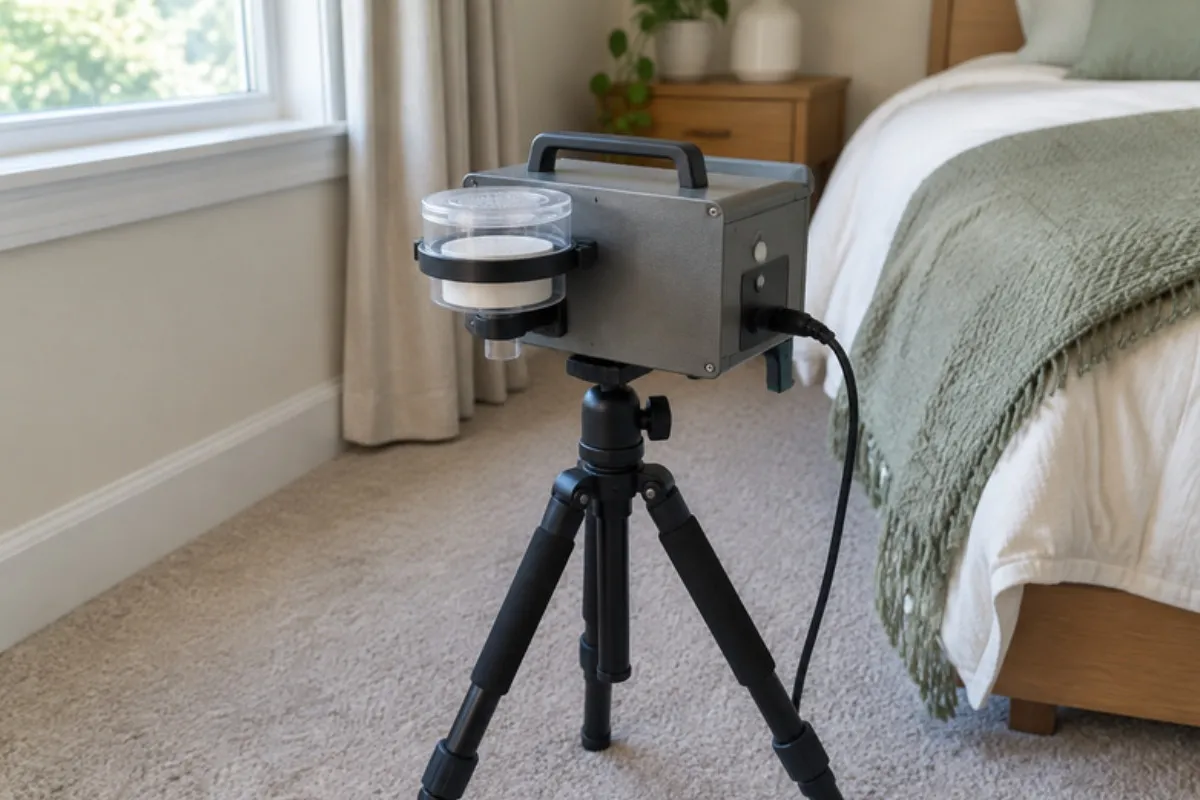
- Air samples. A pump draws a measured volume of air through a cassette. A useful air test always includes an outdoor sample for comparison, since Nashville's humid outdoor air carries plenty of spores of its own.
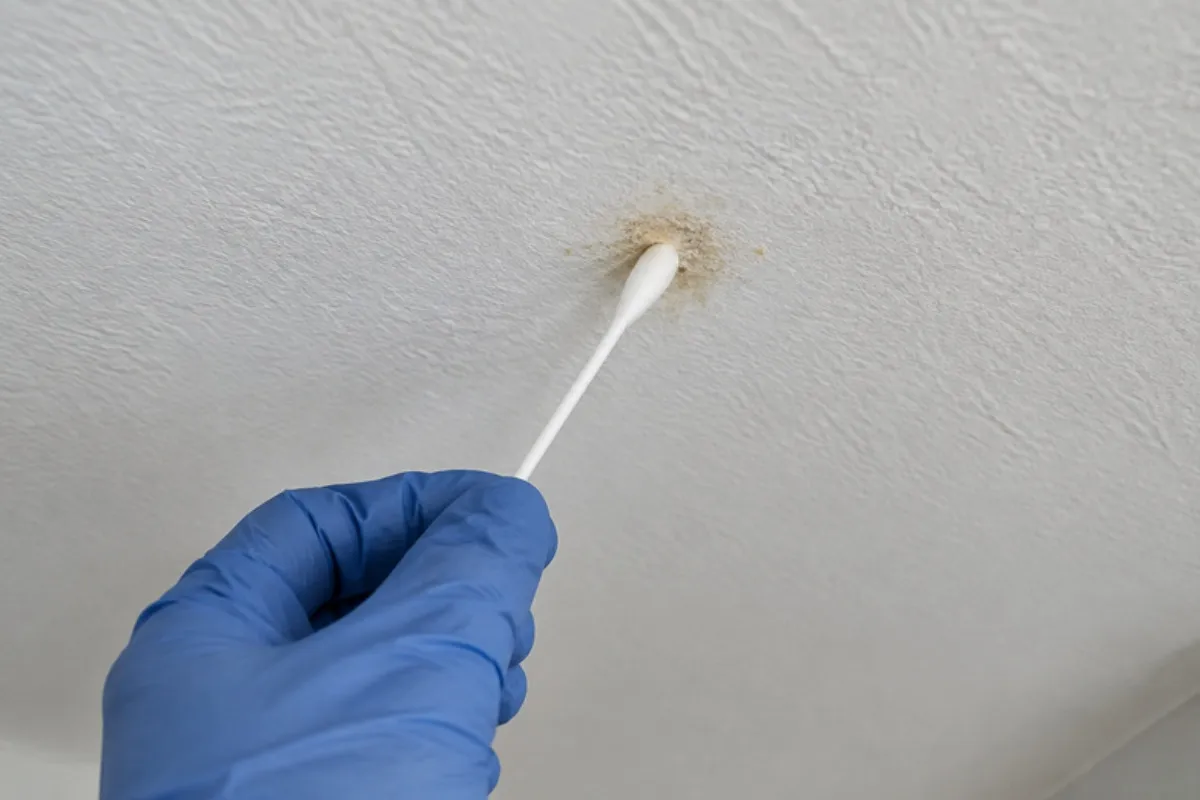
- Surface samples. Tape lifts or swabs taken from a stain or dusty surface tell you what is growing there.
- Wall cavity samples. Air drawn through a small hole in drywall, used when hidden growth inside a wall is suspected.
Reading the results
Because no federal standard exists, nobody can say a number is "safe" or "unsafe." What matters is comparison. Indoor spore types and counts that look a lot like the outdoor sample usually point away from an indoor problem. Indoor counts well above outdoor levels, or types that show up inside but not outside, point toward hidden growth, and the next step is finding the moisture. Ask whoever takes the samples to explain the report in plain language and tell you what they would do next.
Cost and who should do it
Angi reports a national range of about $250 to $500 for a mold test, with more for additional samples. Middle Tennessee prices vary with the number of samples and the lab turnaround. A test from a company that also wants to do the removal can be a conflict of interest; Tennessee does not forbid it, but Angi recommends separate companies for testing and remediation.
A note on health
EPA says mold can irritate the eyes, skin, nose, throat and lungs, and that people with asthma or weakened immune systems should stay away from moldy areas. A spore count can't tell you whether symptoms come from mold. If you have health concerns, talk with a health professional.
Mold Testing questions from Nashville homeowners
Are store-bought mold test kits reliable?
Is there a safe level of mold spores?
Does testing tell me if it's black mold?
Should I test after mold removal?
Related mold services in Nashville
Helpful guides
Mold Testing in nearby cities and towns
Davidson County
Williamson County
Sumner County
Wilson County
Rutherford County
Robertson County
Cheatham County
Maury County
Sources
- EPA: Mold Information Slideshow (testing and sampling)
- EPA: A Brief Guide to Mold, Moisture and Your Home
- EPA: Homeowner's and Renter's Guide to Mold Cleanup After Disasters (pdf)
- Metro Nashville: Mold, Moisture, and Your Home (pdf)
- Angi: How Much Does a Mold Inspection Cost? (2026 data)
- Angi: How to Hire a Mold Remediation Company
Last updated: