Surface mildew on bathroom grout, window sills or a closet wall in a Nashville home is usually small enough to clean yourself: EPA says most patches under about 10 square feet can be handled by a homeowner with detergent, water and drying. Call in a company when the area is larger, keeps returning after cleaning, sits on drywall or carpet, or follows a leak. If that sounds like your situation, call the number on this page to be connected with a local mold remediation company in Nashville.
The 10 square foot line, explained
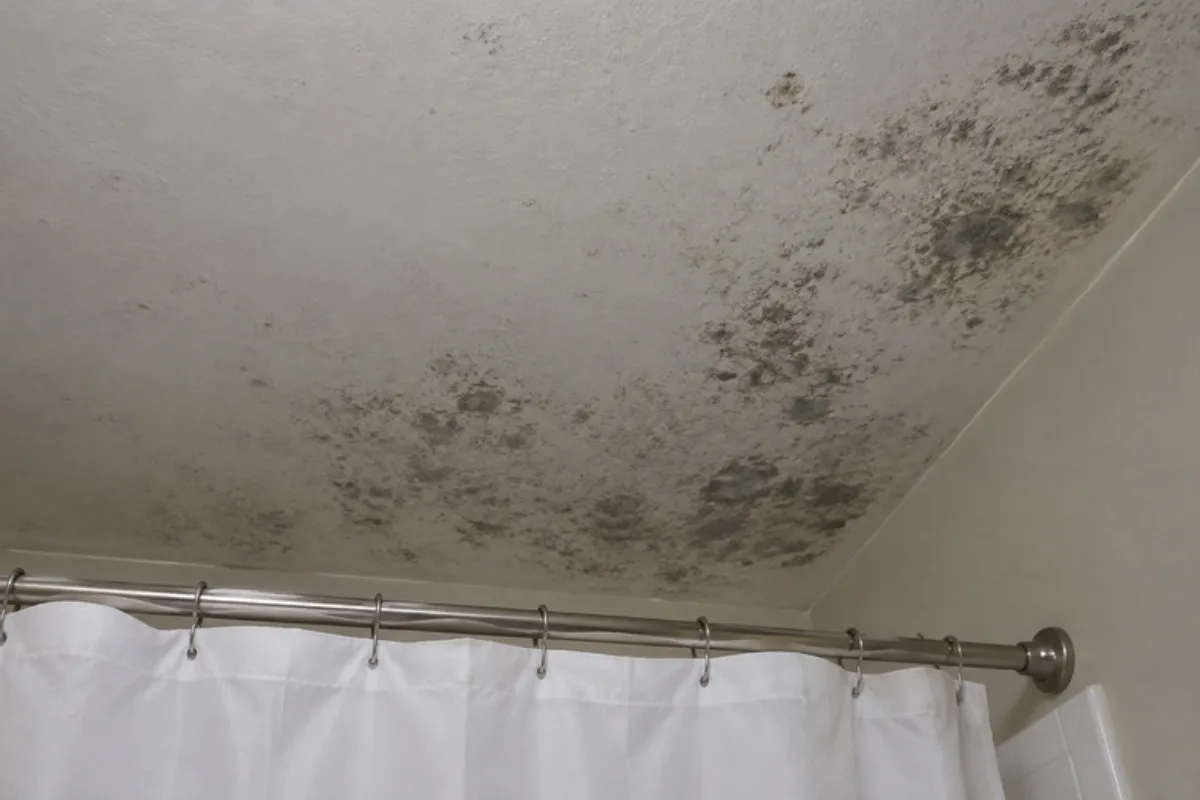
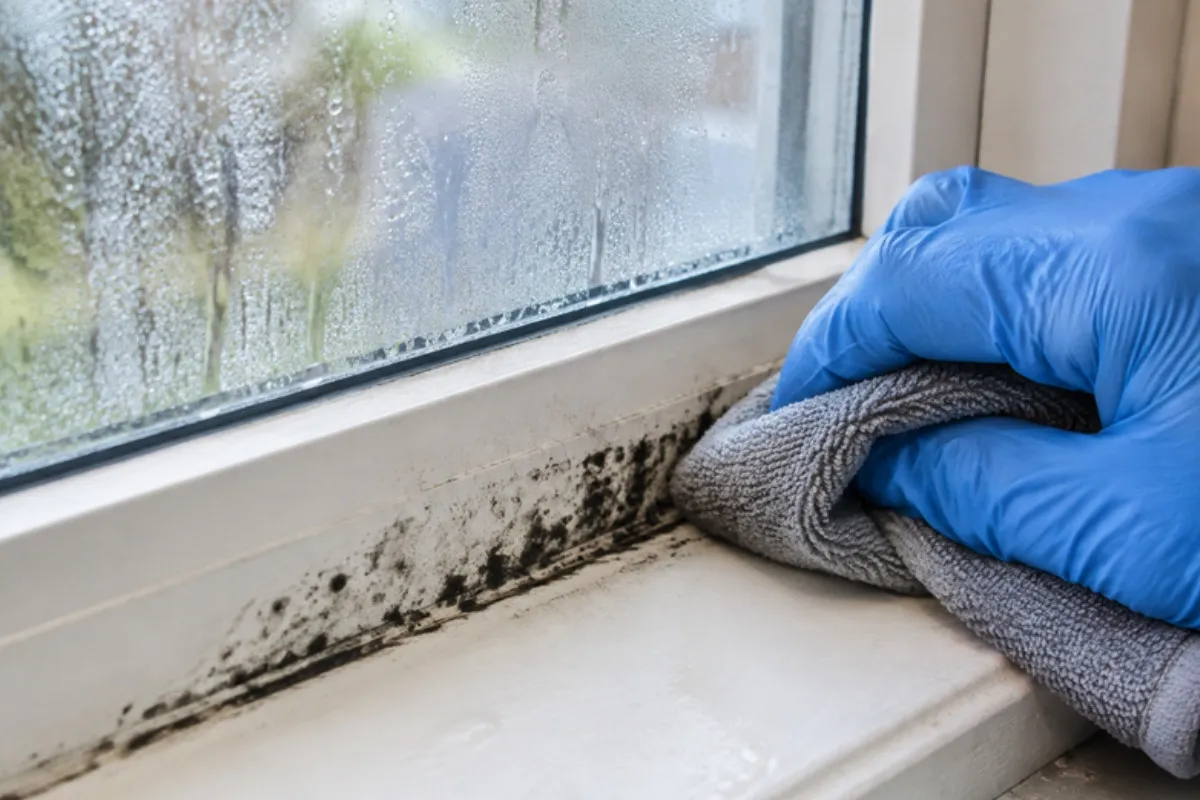
EPA's guidance draws a practical boundary: a moldy area smaller than about 10 square feet, roughly a 3 ft by 3 ft patch, is something most homeowners can clean up. That covers the gray speckling on a shower ceiling, the black line along a window sill where condensation collects in winter, or a few spots on the back wall of a closet. It is a guideline, not a law, and size is not the only factor. A small patch that keeps coming back, or one on a surface you cannot clean, tells you something bigger is going on.
Cleaning it yourself, step by step
- Protect yourself: gloves, goggles and an N-95 respirator. Anyone with asthma or a weakened immune system should not do this job.
- Scrub hard surfaces such as tile, glass, sealed wood and window frames with detergent and water.
- Dry the area completely. Mildew comes back on surfaces that stay damp.
- If you use a cleaning product, follow the label and never mix bleach with ammonia.
- Bag and discard porous items that are moldy, such as a ceiling tile, a rug or cardboard boxes.
- Do not paint or caulk over what is left. Clean it first and let it dry.
Why it keeps returning in Nashville houses
Middle Tennessee summers are hot and humid, and winters and springs are wet. Bathrooms without a working exhaust fan, closets on exterior walls, and windows that sweat on cold mornings stay damp long enough for mildew to settle in. EPA recommends keeping indoor humidity below 60 percent, ideally 30 to 50 percent. An inexpensive humidity meter shows whether you are there. Run the bath fan during and after showers, keep AC drip pans clean, and leave closet doors open on humid days. Metro Public Health's mold handout makes the same case: fix the moisture and dry the area, because removing mold matters more than identifying it.
When it is no longer a small job
- The patch is larger than about 10 square feet, or several small patches add up past that.
- It is on drywall, carpet or insulation, which usually have to be cut out rather than wiped.
- There is a musty smell with no visible source, suggesting growth inside a wall or under a floor.
- It followed a plumbing leak, roof leak or water in the crawl space.
For those, a mold remediation company will find the moisture source, contain the area and remove damaged materials. Angi reports a national typical range of $500 to $1,000 for bathroom mold remediation; Middle Tennessee prices vary with size, access and how much material comes out. Residential jobs of $3,000 or more in Davidson County need a Tennessee Home Improvement license, which you can confirm on TDCI's Verify a License search.
Mold & Mildew Removal questions from Nashville homeowners
Is mildew the same as mold?
Can I clean bathroom mildew myself?
Why does mildew keep coming back on my window sills?
When should I call a company for mildew?
Related mold services in Nashville
Helpful guides
Mold & Mildew Removal in nearby cities and towns
Davidson County
Williamson County
Sumner County
Wilson County
Rutherford County
Robertson County
Cheatham County
Maury County
Sources
- EPA: Mold Cleanup in Your Home
- EPA: A Brief Guide to Mold, Moisture and Your Home
- EPA: Homeowner's and Renter's Guide to Mold Cleanup After Disasters (pdf)
- Metro Nashville: Mold, Moisture, and Your Home (pdf)
- Angi: How Much Does Mold Remediation Cost? (2026 data)
- TDCI: Bidding and Contractor License Requirements (pdf)
Last updated: