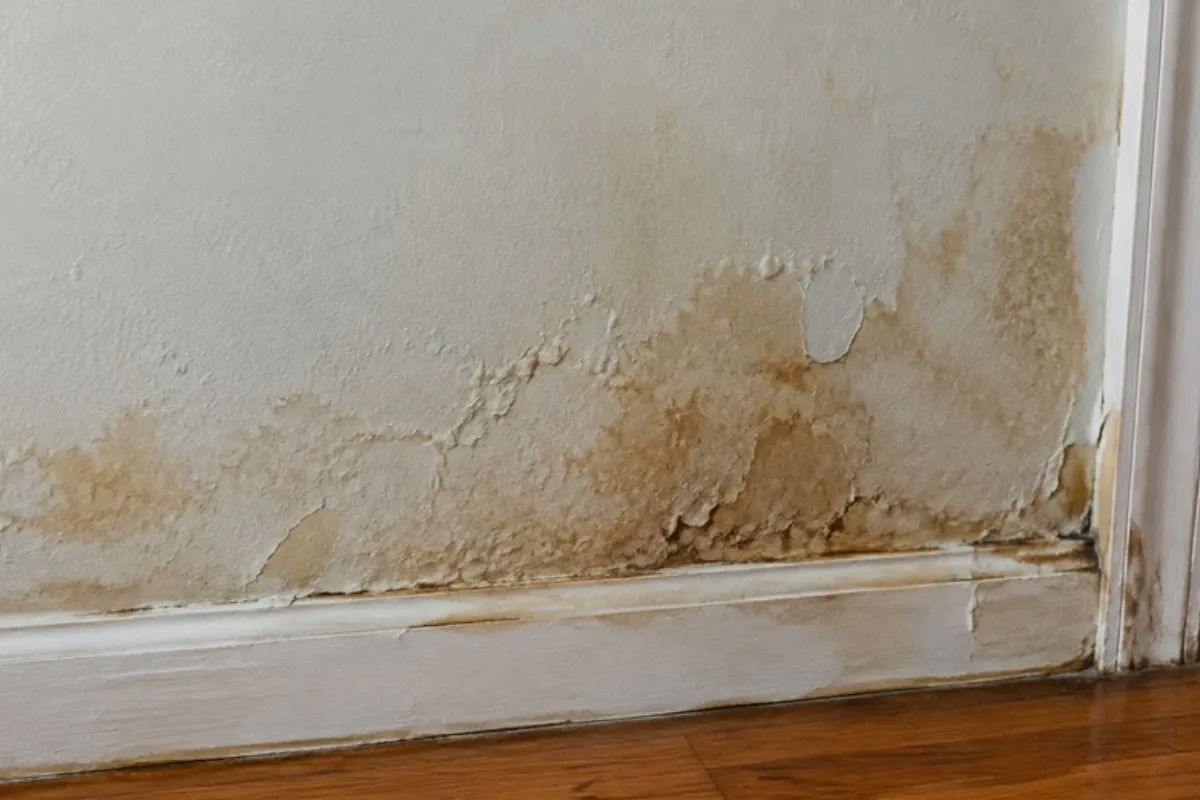
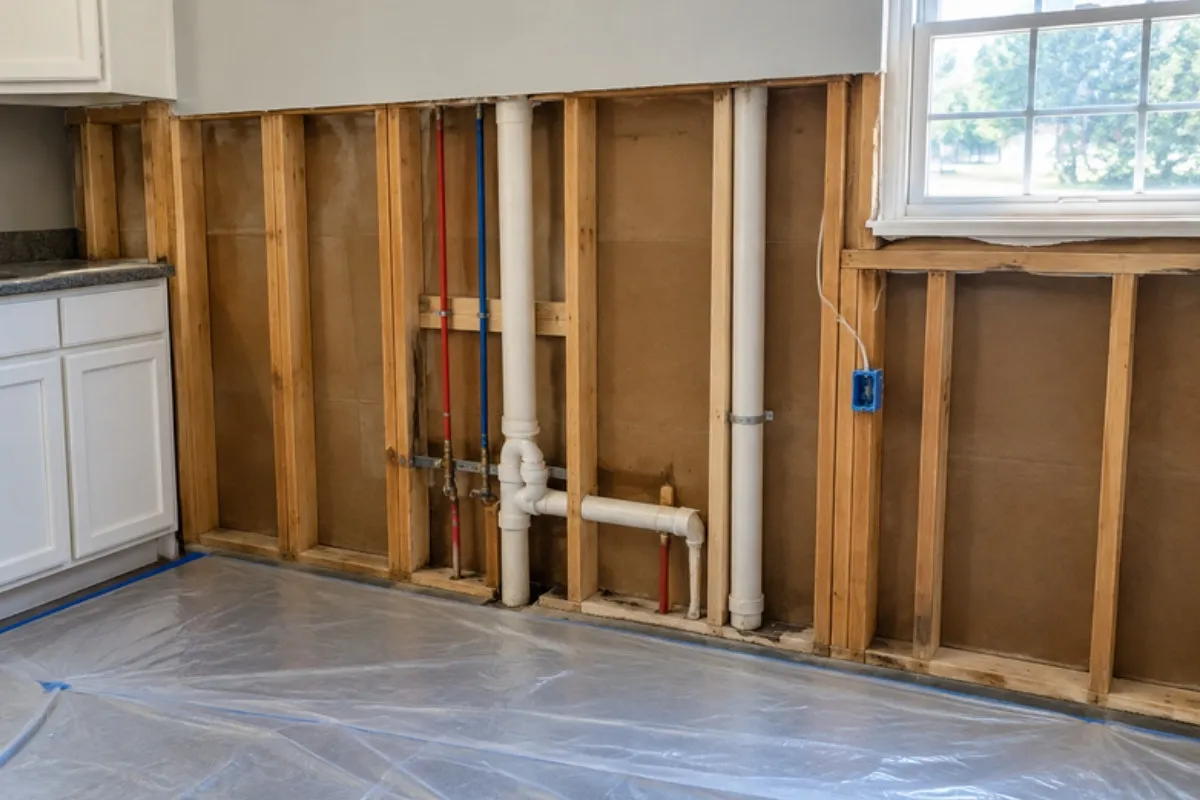
Mold inside the walls of a Brentwood home usually starts with water behind the drywall: a slow leak at a tub, sink or ice-maker line, a window that lets in rain, or floodwater like the May 2010 flood that hit subdivisions along the Little Harpeth River, Mill Creek and Owl Creek. Removing it means fixing the water source, cutting out moldy drywall and insulation and drying the framing. Call the number on this page to be connected with a local mold remediation company in Brentwood.
My Brentwood home flooded years ago. Could there still be mold in the walls?
It's possible if the walls weren't opened and dried at the time. During the May 2010 flood, about 16.6 inches of rain fell over two days; the Little Harpeth River flooded the far west side of Brentwood, and Mill Creek and Owl Creek flooded the far east side, both mostly subdivisions. EPA's disaster guidance says a home that couldn't be dried within 24 to 48 hours should be assumed to have mold. If a wall has been repaired since and shows no odor, staining or high moisture readings, it may be fine. A moisture survey is a reasonable first check if you're unsure, or if you're buying a house in those areas.
What's the most common cause today?
Everyday plumbing and building leaks. Walls behind showers, tubs, toilets and kitchen sinks, the wall beside a washing machine, and the area under windows account for most of the wall mold companies open up. A slow leak can go unnoticed for months behind tile, built-ins or in a rarely used guest bathroom, and summer humidity keeps a wet cavity from drying on its own. Condensation is the other common culprit: closets and corners on outside walls, where air barely moves, can stay damp enough through a humid season to grow mold on the back of the drywall.
Will I need a permit or a particular kind of contractor?
Mold removal itself generally isn't permitted work. If studs, plumbing or wiring inside the wall must be replaced, the City of Brentwood Planning and Codes Department issues building permits, including through its online portal. Any project of $25,000 or more needs a Tennessee contractor's license, and mold remediation is the S-F classification. Verify the company on TDCI's Verify a License search, and consider an independent inspector for the final check, as Angi suggests.
A local note
Williamson County emergency management reminds residents that standard homeowner's policies don't cover flooding, so wall damage from rising water is a separate question from a burst pipe. Check your property on FEMA's Flood Map Service Center if you live near the creeks. For health questions, the Williamson County Health Department is at 1324 West Main Street in Franklin.
Mold in Walls & Drywall questions in Brentwood
What does it cost to remove mold from walls?
Does the insulation inside the wall have to come out?
Will homeowners insurance pay for mold inside my walls?
I rent my home and there's mold in a wall. What can I do?
More mold services in Brentwood
Mold in Walls & Drywall nearby
Sources
- Williamson Herald: Flood impact from 10 years ago still felt
- EPA: Homeowner's and Renter's Guide to Mold Cleanup After Disasters (pdf)
- City of Brentwood Planning and Codes: Codes Section
- City of Brentwood: Codes FAQs
- Williamson County: Flooding
- Tennessee Department of Health: Mid-Cumberland Region
- Angi: How Much Does Mold Remediation Cost? (2026 data)
- Angi: How to Hire a Mold Remediation Company (separate testing and remediation)
- Tennessee Contractor Classification Outline (TDCI)
- TDCI: Bidding FAQs
Last updated: