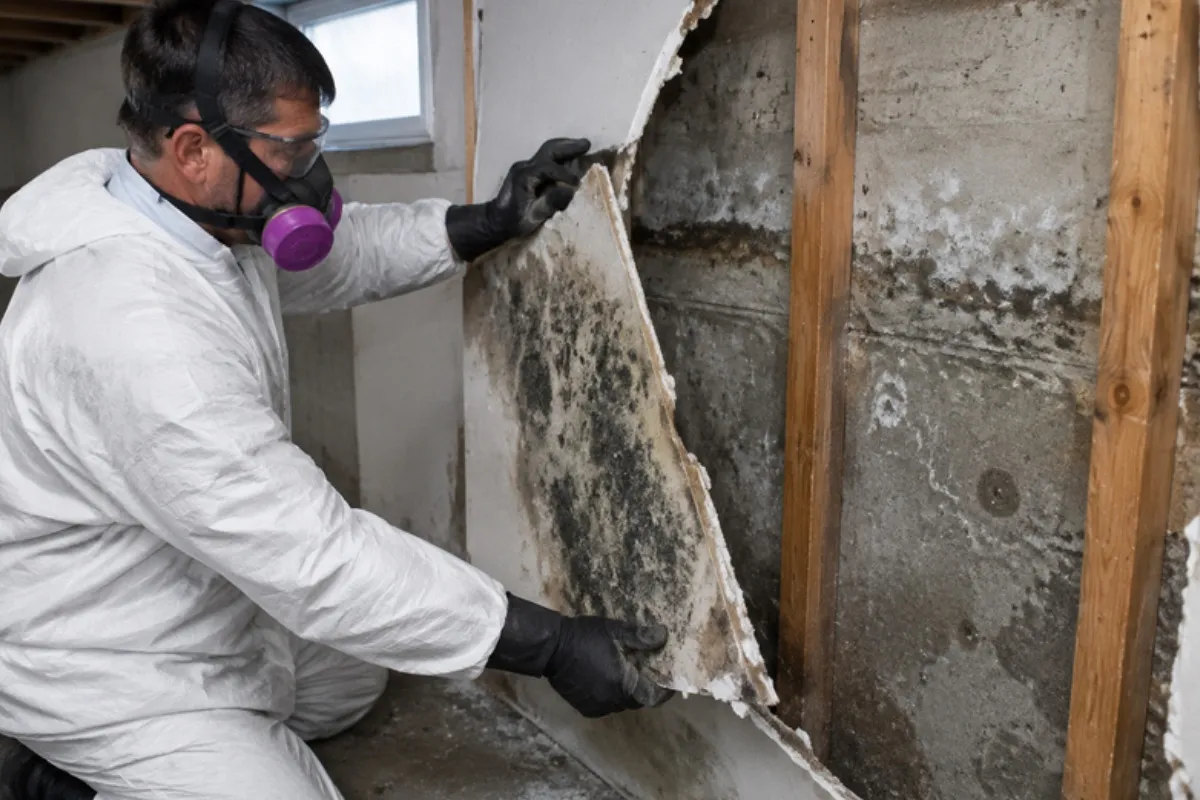
Basement mold in White House comes from water: flash flooding and runoff, seepage from wet soil, plumbing leaks, or humid summer air on cool walls. Removal clears out moldy finishes, cleans and dries the structure, and needs a plan to keep the moisture out. Call the number on this page to be connected with a local mold remediation company in White House.
Has White House really flooded enough to matter?
Yes. White House is a growing suburb about 22 miles north of Nashville along I-65. During the heavy rain of September 1, 2017, flooding closed Highway 31W and Highway 76 (Portland Road) in the city. On May 8, 2024, flash flooding got into part of White House High School, including some of the theater, and most of Tyree Springs Road was underwater for a time. A home does not need to sit beside a creek to take water downstairs; saturated ground and runoff from heavy storms can push water through a foundation anywhere. The Tennessee Department of Health warns that mold can begin within 48 hours after flooding.
Which license rules apply on my side of the county line?
The city spans Robertson and Sumner counties. Robertson County is on the state's list where residential jobs from $3,000 to under $25,000 require a Home Improvement license; Sumner County is not. Anywhere in Tennessee, projects of $25,000 or more require a contractor's license, and mold remediation falls under the S-F classification. TDCI's Verify a License search lets you check any company.
Who handles permits and rental complaints?
The City of White House Planning and Codes department on College Street reviews building permits and inspects work, with applications through the city's EnerGov self-service portal. Mold removal itself is not described as permitted work, but rebuilding framing or supporting walls afterward is. The city also enforces the 2021 International Property Maintenance Code, and renters can use the Report a Concern link on the department page when a landlord leaves a leak unrepaired. The Robertson County Health Department in Springfield is the listed local health office.
One practical note
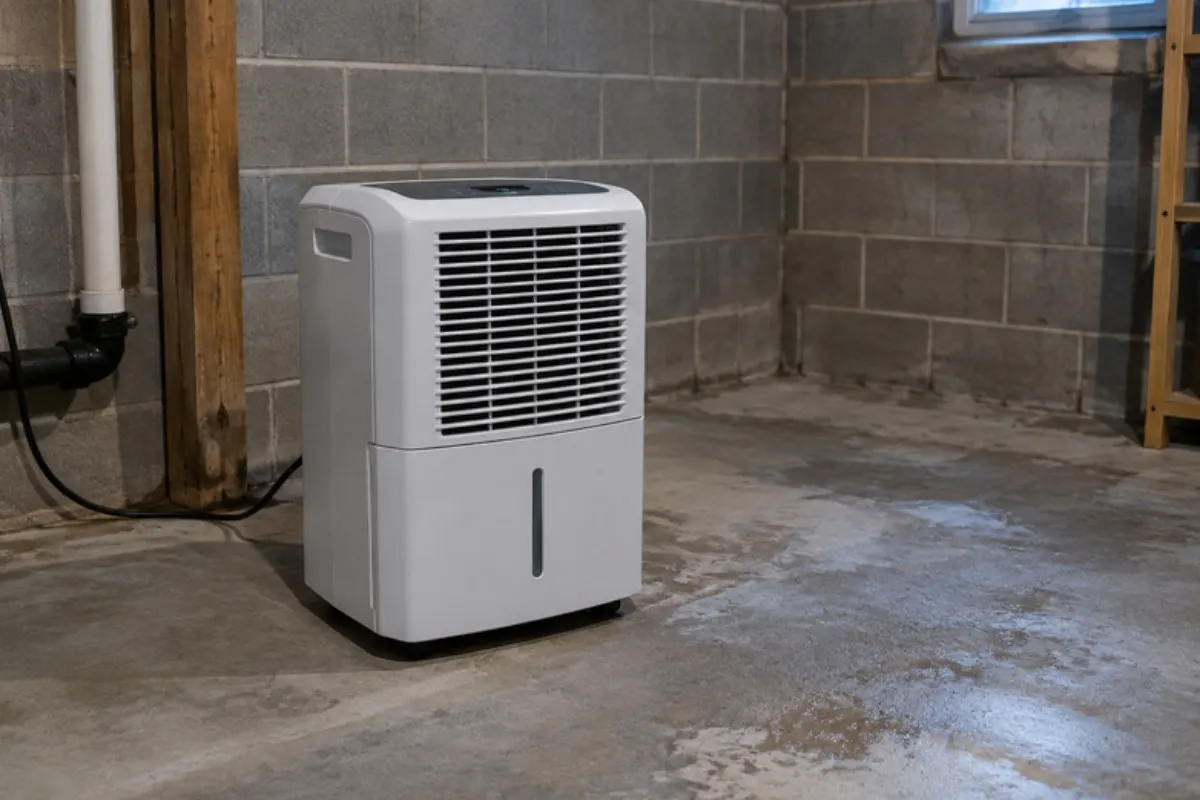
Keep basement humidity under 60 percent, as EPA advises, and check the lowest walls after every hard rain. A small dehumidifier, cleaned gutters and longer downspouts that carry water well away from the foundation often prevent the next round of growth once the existing mold is removed. If a storm does put water inside, start drying the same day and pull out wet carpet and cardboard rather than waiting to see whether it dries on its own. Anyone with asthma or a weakened immune system should stay out of the space until the work is done.
Basement Mold Removal questions in White House
How soon after basement flooding can mold start?
Can I clean basement mold myself?
Will waterproof paint or sealer stop basement mold?
Should the inspector and the remediation company be different businesses?
More mold services in White House
Basement Mold Removal nearby
Helpful guides
Sources
- White House, Tennessee (Wikipedia)
- Smokey Barn News: Heavy rain flooding in Robertson County (September 2017)
- NewsChannel 5: Flash flooding causes problems in Sumner County, including White House High School
- City of White House: Planning & Codes
- Tennessee Department of Health: Healthy Homes
- Tennessee Department of Health: Local Health Departments
- TDCI: Bidding and Contractor License Requirements (pdf)
- Tennessee Contractor Classification Outline (TDCI)
- TDCI: Bidding FAQs
- EPA: A Brief Guide to Mold, Moisture and Your Home
Last updated: